

West Tipperary Giant Hogweed Treatment Project
The Local Authority Water Programme (LAWPRO) through its Farming for Water EIP project, and in partnership with Tipperary County Council, the local community and other stakeholders, held a public meeting in Cappawhite Community Centre to outline a remedial action plan to control the spread of, and treat, a giant hogweed infestation in West Tipperary and also improve water quality in the area.
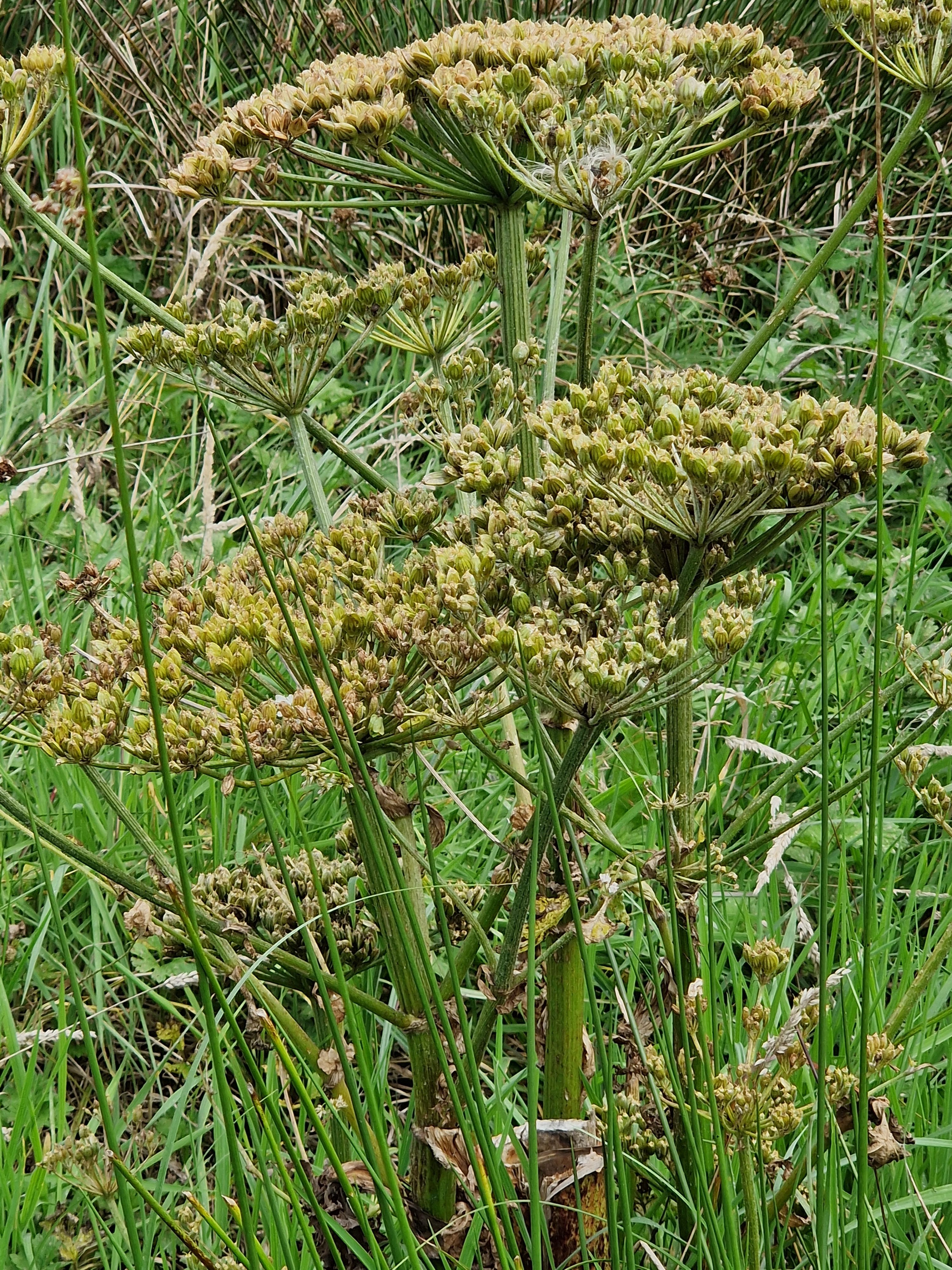

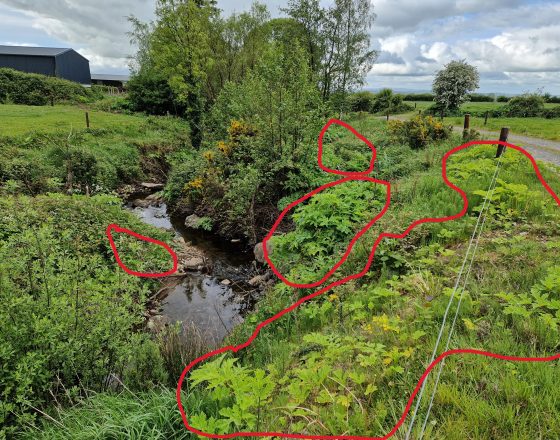
The Local Authority Water Programme (LAWPRO) through its Farming for Water EIP project, and in partnership with Tipperary County Council, the local community and other stakeholders, held a public meeting in Cappawhite Community Centre to outline a remedial action plan to control the spread of, and treat, a giant hogweed infestation in West Tipperary and also improve water quality in the area.
The public information meeting took place on Thursday October 24th at 7:00pm and outlined the extent of the infestation, the dangers associated with giant hogweed, and the plans to tackle it. An open invitation was extended to all to come along to the meeting to learn about the project.
These severe hogweed infestations occur along sections of the Toem, Cappawhite and Cahernahaille tributaries of the upper Mulkear/Dead River catchment in the Cappawhite area and can have a serious impact on water quality, ecology and biodiversity.
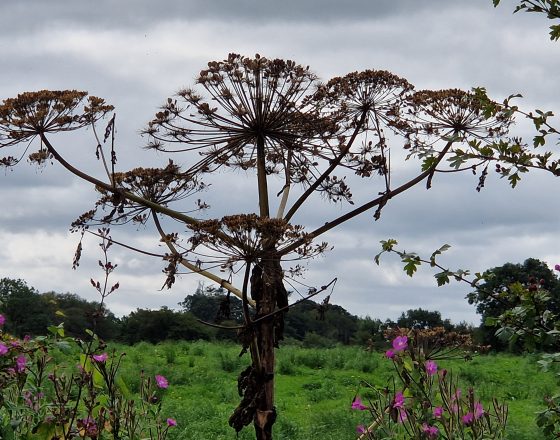
Giant hogweed –Heracleum mantegazzianum- is a non-native invasive hazardous plant, which can cause serious skin burns and other health issues. Children are particularly at risk. Giant hogweed should not, however, be confused with regular hogweed which is evident in ditches along many local roadways.
As part of the preparatory work for the project, a drone aerial survey of the affected river corridors had already been carried out and this has helped to determine the location and extent of the infestation. Further ground investigations were conducted and the findings have been made public.
The Farming for Water EIP, which has its headquarters at Rossmore Neighbourhood Centre in Tipperary Town, is a €60 million project running until the end of 2027. Its core aim is to support farmers in placing “the right measures in the right place” by taking a targeted approach to manage risk to water quality from their farms. It is guided by the learnings of the Agricultural Sustainability Support and Advisory Programme (ASSAP) programme.
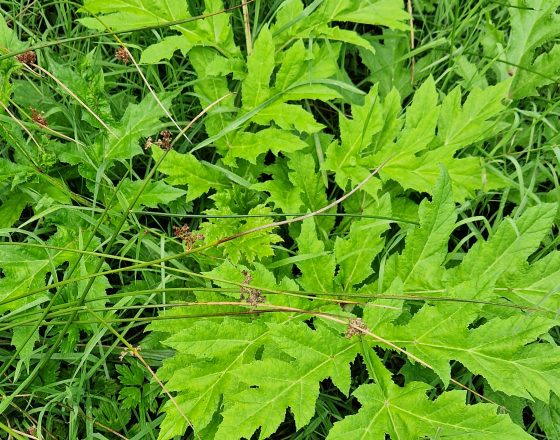
The Farming for Water EIP project takes a multiple benefits approach focusing on water quality but also addressing biodiversity and climate issues. The work will also help to create a broader understanding of issues affecting water quality in the catchment.
Now in year 2, this West Tipperary giant hogweed treatment pilot project is in partnership with dairy cooperatives, Teagasc, beef processors, Tipperary County Council, farmers, landowners, the local community and other stakeholders.
2025 saw giant hogweed removal contractors inspecting 11.3km of the Cappawhite Stream and 6km of the Toem Stream towards the end of the summer. These severe hogweed infestations occur along sections of the Toem, Cappawhite and Cahernahallia tributaries of the upper Mulkear/Dead River catchment in the Cappawhite area and can have a serious impact on water quality, ecology and biodiversity.
Over the coming weeks, a further programme of treatment is scheduled in the affected areas through the Farming for Water EIP and other funding mechanisms. A specialist contractor has been appointed and will first survey the areas to identify exactly where hogweed is growing. This will be followed by treatment on agricultural lands with the cooperation of landowners.
LAWPRO Director Anthony Coleman said: “In order for the project to succeed it is vital that all landowners upon whose land giant hogweed exists, participate and support the programme by applying to the Farming for Water EIP project for assistance.”
He added: “Agricultural advisors will be in contact with farmers in the affected areas to help them apply to the project and avail of funding to undertake other additional measures which can help to improve and protect water quality in the overall river catchment.”
Public notices, notifications, a media campaign, fliers and school visits have taken place within the community to keep members of the public informed of the project. Furthermore, advisors have been on the ground liaising with landowners and helping with the processing of applications. Further collaboration with Tipperary County Council, Coillte, Inland Fisheries Ireland, the Co-Op’s, farmer organisations and public representatives has also taken place in recent weeks.
See the explainer video below with Teagasc advisor Roisin McManus, for more information:
Some useful links with further information on the project including maps:
- Giant Hogweed Up-dated flier Digital Giant Hogweed maps
- DY2785_LAWPRO_Hogweed_A4_
- Giant-Hogweed Information Sheet D
- Y2785_LAWPRO_Hogweed_A4_DV3
- Giant Hogweed maps
See here the appropriate Assessment document for the project:
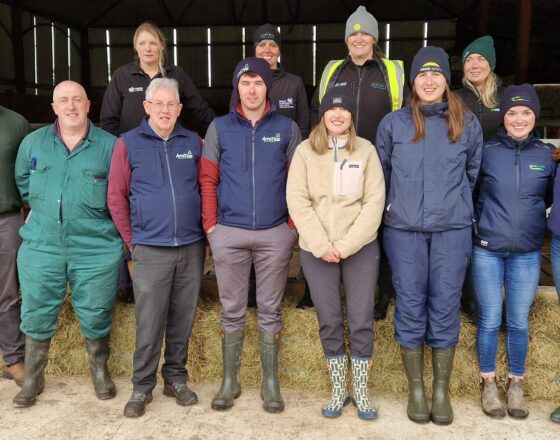
Training Day Event in Cappawhite
Farmers take action on Giant Hogweed and water quality at Cappawhite training event
More than 28 farmers gathered in Cappawhite this week for a practical training event focused on Giant Hogweed control and water quality protection.
The event highlighted the important role farmers play in tackling invasive species and improving environmental sustainability on their farms.
Hosted by Tom and Geraldine Ryan, Moher East, Cappawhite, the national pilot event brought together farmers, agricultural advisers and environmental specialists to demonstrate how productive farming and environmental protection can work hand in hand.
The training was organised by Teagasc through the Agricultural Sustainability Support and Advisory Programme (ASSAP), the Farming for Water EIP and INVAS Biosecurity, with support from the National Biodiversity Centre, Nore Vision and advisers from Arra-Tipp, Dawn Meats, ABP and the Kinisla Advisory Teams, and Tipperary County Council.
Invasive species expert Noel McCarthy of INVAS Biosecurity led the training, providing practical guidance on the identification, safe handling and control of Giant Hogweed, one of Ireland’s most problematic invasive plant species. Participants learned how to identify the plant at different stages of growth, implement effective biosecurity measures and safely carry out mechanical control where infestations are detected early
.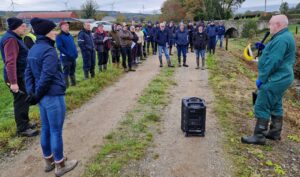
Above: Noel McCarthy of INVAS Biosecurity (right) and Roisin McManus of Teagasc (left) address the group on the dangers posed by giant hogweed.
“Giant Hogweed poses a significant threat to biodiversity, land management and public safety,” said Noel McCarthy. “Early identification and intervention are essential to preventing its spread, and farmers have a crucial role to play in controlling infestations across the landscape.”
The event featured field demonstrations showing how mechanical control methods can be effectively applied during the early stages of plant development, while also highlighting the importance of preventing the accidental spread of seeds and plant material.
Attendees were reminded of the serious health risks associated with Giant Hogweed. The sap contains toxic compounds that can cause severe skin irritation and blistering when exposed to sunlight, potentially leading to painful burns, long-term scarring and increased sensitivity to ultraviolet light. Organisers stressed the importance of using appropriate personal protective equipment and following safe work practices when handling or removing the plant
.
Alongside invasive species management, participants viewed a range of water quality measures already in place on the Ryan farm. Farmers heard how targeted actions can reduce nutrient and sediment losses to local waterways while maintaining productive and sustainable farming systems.
Roisin McManus of Teagasc outlined several measures supported through the Farming for Water European Innovation Partnership (EIP), explaining how participating farmers can access practical solutions to improve water quality and biodiversity on their farms. Measures discussed included riparian protection, targeted nutrient management, biodiversity enhancement initiatives and strategies to reduce runoff risks, including the closing off of watercourses to cattle, and the use of solar powered pumps and water troughs in the pasture.
Joan Martin of the Farming for Water EIP highlighted the importance of a coordinated catchment-wide approach to invasive species management.
“To effectively manage invasive species, we need to work from the headwaters downstream and ensure all stakeholders are involved,” she said.
“A catchment approach allows farmers, advisers, local communities, State agencies and environmental organisations to work together to prevent the spread of invasive plants and protect our rivers and biodiversity. Success depends on everyone playing their part across the entire catchment rather than addressing issues in isolation,” she said.
Contractors Oakwin carried out assessments and undertook a giant hogweed removal programme in the west Tipperary area under the Farming for Water EIP. Last year, 2025, aspproximately 11.3km of the Cappawhite stream and 6km of the Toem stream were tended to. Further infestations along the Toem, Cappawhite and Cahernahallia tributaries of the upper Mulkear/Dead River catchment in Cappawhite were identified and removed in 2026 in collaboration with stakeholders and property owners.
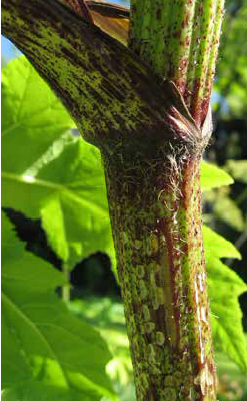
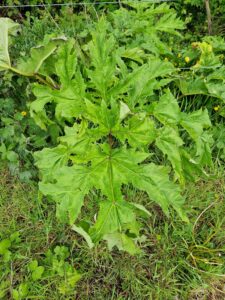
Above: Giant hogweed plants. Note the serrated leaf (right) and the purple stem (left)
The training event showcased the growing collaboration between farmers, advisory services, industry partners and environmental organisations in addressing key environmental challenges facing rural communities. Organisers were keen that the event would highlight how knowledge-sharing and on-farm demonstrations can support positive action on both invasive species control and water quality improvement.
Participating farmers welcomed the practical, hands-on nature of the training and the opportunity to see successful measures in action on a working farm. The event demonstrated how collaboration across the agricultural sector can deliver benefits for farming, biodiversity and water quality, while supporting resilient and sustainable farming systems for the future.